
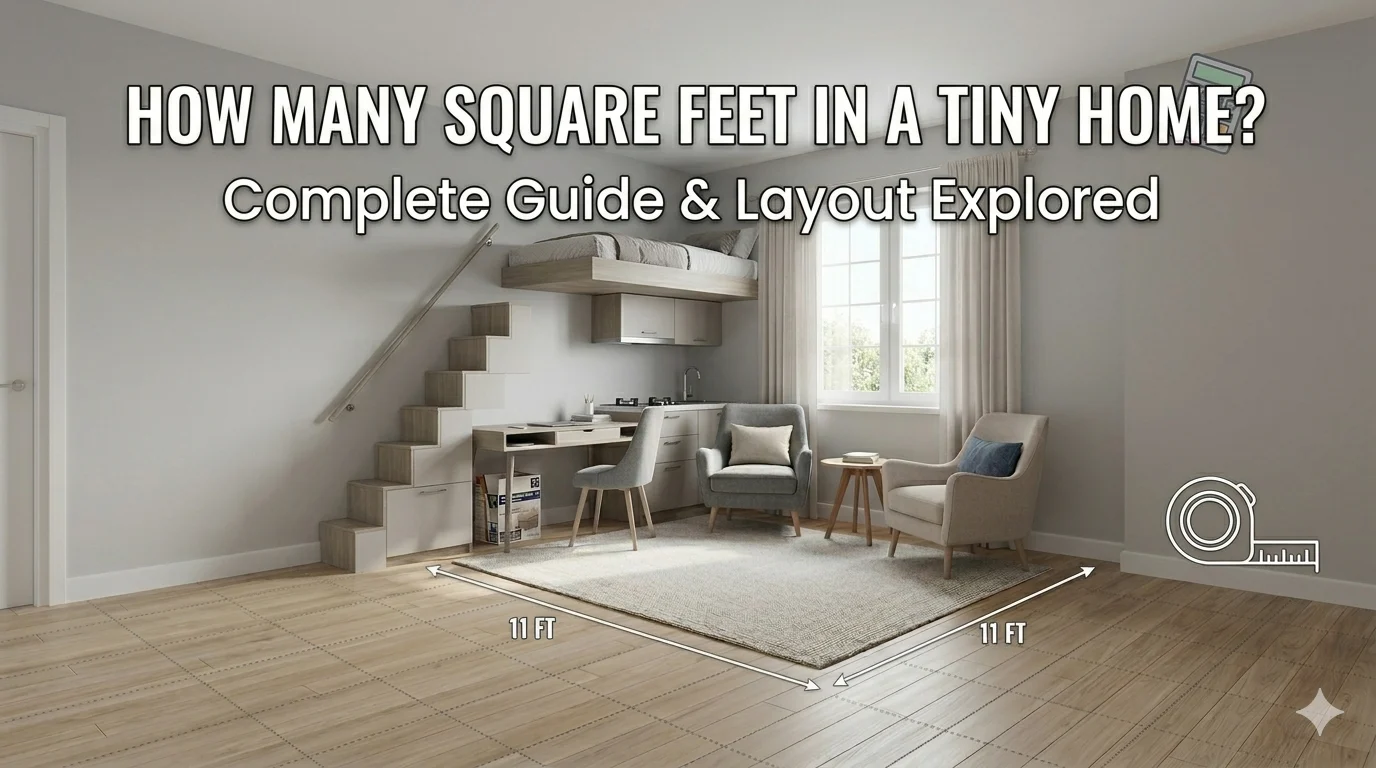
Tiny houses have become one of the biggest housing trends in recent years. People are choosing smaller homes to reduce expenses, simplify life, and live more sustainably. But many buyers still ask the same question: how many square feet in a tiny house?
The answer depends on the type of tiny home, local laws, and personal lifestyle needs. Most tiny houses range between 100 and 400 square feet, though some can be slightly larger.
In this guide, you’ll learn the average tiny house size, legal definitions, layout ideas, and how much space you truly need for comfortable living.
What Is Considered a Tiny House?
A tiny house is a small residential structure designed for compact and efficient living. These homes focus on functionality rather than extra unused space.
In most cases, a tiny house is considered a home with:
- Less than 400 square feet
- Compact living areas
- Efficient storage solutions
- Minimalist design
Some tiny homes are built on trailers and can move from place to place. Others are permanent homes built on foundations.
Tiny House vs Small House
Many people confuse tiny houses with small houses. However, there is a difference.
| Home Type | Average Size |
| Tiny House | 100–400 sq ft |
| Small House | 400–1,000 sq ft |
| Standard House | 1,500–2,500+ sq ft |
Tiny homes are designed to maximize every inch of space, while small homes may still include extra rooms and storage.
How Many Square Feet in a Tiny House on Average?
The average tiny house usually falls between 100 and 400 square feet.
Here’s a closer look at common size categories.
Tiny Houses Under 100 Square Feet
These ultra-small homes are rare but possible. They are often:
- DIY builds
- Camping cabins
- Minimalist shelters
- Mobile sleep spaces
A home this size typically fits:
- A bed
- Tiny kitchenette
- Compact bathroom
Living full-time in under 100 square feet can feel restrictive for many people.
Tiny Houses Between 100 and 200 Square Feet
This is a common range for solo living.
These homes usually include:
- Sleeping loft
- Small kitchen
- Bathroom with shower
- Foldable furniture
A 150-square-foot tiny house can feel surprisingly spacious with smart storage and high ceilings.
Tiny Houses Between 200 and 400 Square Feet
This is the most popular tiny house size range.
Homes in this category often have:
- Full kitchens
- Living areas
- Loft bedrooms
- Bathrooms
- Dining space
A 300-square-foot tiny house is considered comfortable for many singles and couples.
Tiny Houses Larger Than 400 Square Feet
Once a tiny home exceeds 400 square feet, some areas classify it as a small home instead.
However, many modern “tiny-inspired” homes range from:
- 400–600 sq ft
- Park model homes
- Modular cabins
- Backyard ADUs
These offer more comfort while still maintaining a minimalist lifestyle.
Tiny House Size Comparison Table
Here’s a quick comparison of common tiny house sizes.
| Tiny House Size | Best For | Features |
| 80–120 sq ft | Camping or solo travel | Bed and storage only |
| 120–200 sq ft | Single person | Small kitchen and bath |
| 200–300 sq ft | Couples | Full living essentials |
| 300–400 sq ft | Small families | More storage and comfort |
| 400+ sq ft | Long-term living | Spacious tiny home feel |
Why Tiny Houses Are So Small
Tiny homes are intentionally designed with smaller footprints. The goal is to create efficient living spaces without unnecessary square footage.
Minimalist Living
Tiny house owners often focus on experiences rather than possessions.
Benefits include:
- Less clutter
- Easier organization
- Lower stress
- Simpler lifestyle
Minimalism is one of the biggest reasons people move into tiny homes.
Lower Costs
Smaller homes generally cost less to build and maintain.
Tiny homeowners can save money on:
- Mortgage payments
- Utility bills
- Property taxes
- Maintenance costs
Some DIY tiny homes cost less than a traditional down payment on a house.
Easier Maintenance
Cleaning a tiny house is much faster than cleaning a traditional home.
A 250-square-foot house may take:
- 15–30 minutes to clean
- Less energy to heat and cool
- Fewer repairs over time
This makes tiny living attractive for busy individuals and retirees.
Common Tiny House Layouts
Tiny house design is all about maximizing space.
Loft Designs
Lofts are extremely popular in tiny homes.
They create:
- Separate sleeping areas
- More floor space below
- Extra storage opportunities
Most lofts fit:
- Queen-size mattresses
- Small shelving units
- Reading lights
However, lofts may not work well for people with mobility challenges.
Open Floor Plans
Walls take up valuable space. That’s why most tiny houses use open layouts.
Benefits include:
- Better airflow
- More natural light
- Spacious appearance
- Flexible furniture placement
Open concepts help tiny homes feel larger than they actually are.
Multi-Functional Furniture
Furniture in tiny houses often serves multiple purposes.
Examples include:
- Beds with storage drawers
- Fold-down desks
- Expandable dining tables
- Sofa beds
- Staircase storage
Smart furniture can dramatically improve comfort in small spaces.
Legal Size Limits for Tiny Houses
Tiny house regulations vary by location.
Building Codes
Some areas have minimum square footage requirements for homes.
For example:
- Certain cities require at least 400–600 sq ft
- Others allow smaller structures if classified as RVs
Always check local zoning rules before building or buying a tiny house.
Road Width Restrictions
Tiny houses on wheels must follow highway laws.
Most road-legal tiny homes are:
- Up to 8.5 feet wide
- Up to 13.5 feet tall
- Up to 40 feet long
These limits help ensure safe transportation.
Is a Tiny House Big Enough for a Family?
The answer depends on lifestyle, organization, and expectations.
Single Occupants
Tiny homes work extremely well for solo living.
A single person may only need:
- 150–250 square feet
- Compact kitchen
- Small bathroom
- Workspace
Many digital nomads and retirees choose this lifestyle.
Couples
Couples often prefer:
- 200–350 square feet
- Larger kitchens
- More storage
- Dual workspaces
Communication and organization become important in shared tiny spaces.
Families with Children
Families can live in tiny houses, but it requires careful planning.
Common solutions include:
- Bunk beds
- Loft sleeping areas
- Outdoor living spaces
- Built-in storage systems
Some families use tiny homes as temporary housing while saving money.
Pros and Cons of Tiny House Living
Before downsizing, it’s important to understand both advantages and challenges.
| Pros | Cons |
| Lower housing costs | Limited storage |
| Easier maintenance | Less privacy |
| Eco-friendly lifestyle | Zoning restrictions |
| Mobility options | Smaller kitchens |
| Reduced clutter | Harder for large families |
Tiny living works best for people comfortable with simplicity and organization.
Tips for Maximizing Tiny House Space
Small spaces can feel much bigger with the right design choices.
Use Vertical Storage
Take advantage of wall space by adding:
- Floating shelves
- Tall cabinets
- Hanging organizers
Vertical storage keeps floors open and uncluttered.
Choose Light Colors
White and neutral colors reflect light and make rooms appear larger.
Popular tiny house color schemes include:
- White and wood tones
- Beige and gray
- Soft earth colors
Large windows also help brighten small interiors.
Keep Only Essentials
One of the biggest tiny living rules is avoiding unnecessary items.
Ask yourself:
- Do I use this regularly?
- Does it serve multiple purposes?
- Is it worth the space?
Decluttering helps tiny homes remain functional and comfortable.
Invest in Smart Furniture
Well-designed furniture can double your usable space.
Good options include:
- Murphy beds
- Foldable chairs
- Convertible couches
- Hidden storage benches
These solutions create flexibility throughout the day.
Common Mistakes When Choosing Tiny House Size
Many buyers underestimate their actual space needs.
Ignoring Storage Needs
Storage is often the biggest issue in tiny homes.
Without enough storage:
- Clutter builds quickly
- Rooms feel crowded
- Organization becomes difficult
Always plan for seasonal items and daily essentials.
Choosing Style Over Function
Beautiful designs are important, but practicality matters more.
A stylish tiny house may become frustrating if:
- The kitchen is too small
- The bathroom lacks ventilation
- There’s no workspace
Functionality should always come first.
Not Considering Future Needs
Your lifestyle may change over time.
Think about:
- Remote work
- Children
- Pets
- Aging
- Long-term comfort
Choosing the right square footage now can prevent future problems.
Frequently Asked Questions
How many square feet is a typical tiny house?
Most tiny houses range between 100 and 400 square feet. The average tiny home is around 200–300 square feet.
Is 400 square feet considered a tiny house?
Yes. Many experts consider homes under 400 square feet to be tiny houses.
Can two people live comfortably in a tiny house?
Yes. Many couples comfortably live in tiny homes between 200 and 350 square feet with efficient layouts.
What is the smallest legal tiny house?
The minimum legal size depends on local building codes and zoning laws. Some areas allow homes under 100 square feet, while others require larger structures.
Are tiny houses cheaper than regular homes?
In most cases, yes. Tiny houses usually cost less to build, maintain, heat, and furnish compared to traditional homes.
Conclusion
Understanding how many square feet in a tiny house helps you choose the right home size for your lifestyle and budget. Most tiny homes range from 100 to 400 square feet, though layouts and features vary widely.
A well-designed tiny house can feel comfortable, functional, and surprisingly spacious. Whether you want a mobile tiny home, minimalist lifestyle, or affordable housing solution, choosing the right square footage is one of the most important decisions.
By considering storage, layout, future needs, and local regulations, you can find a tiny house size that truly works for you.
Discover MoreArticles
60 inches equals how many feet
How many cubic feet for half a cow
How many cubic feet in 5 gallons